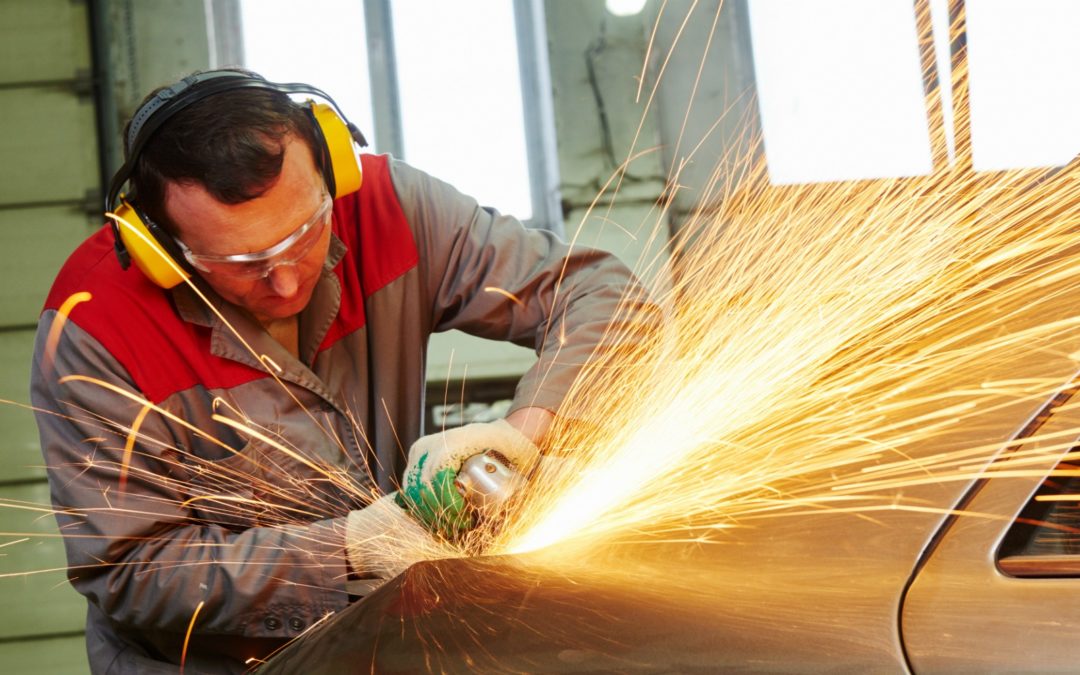
When it comes to collision repair services, choosing the right service provider can make a significant difference in the outcome. Quality collision repair is essential for restoring the safety, appearance, and functionality of a vehicle after an accident. This guide will explore key aspects of collision repair services, helping vehicle owners make informed decisions that ensure optimal results. Understanding the stages of the repair process, the importance of using quality parts, and how to identify reputable service centers will empower consumers to protect their investment and ensure their vehicle is restored to its pre-accident condition.
Understanding the Collision Repair Process
The collision repair process consists of several critical steps. Knowing these steps helps vehicle owners set realistic expectations and appreciate the complexity of the work involved. Discover expert strategies here.
Initial Assessment and Estimate
- Comprehensive inspection of the vehicle to assess damages.
- Detailed estimate of repair costs, including parts and labor.
- Insurance coordination for approval and claim processing.
Disassembly and Damage Analysis
- Thorough disassembly to uncover hidden damages.
- Adjustment of repair plan based on additional findings.
- Order necessary parts and materials for repair work.
Structural and Body Repair
- Use of computerized measuring systems to ensure accuracy.
- Repair or replacement of damaged structural components.
- Expert welding and alignment techniques applied.
Choosing Quality Parts and Materials
The choice of parts and materials can greatly impact the quality and longevity of collision repairs. Learn about our tailored solutions here.
- Opt for OEM (Original Equipment Manufacturer) parts for best fit and durability.
- Consider aftermarket parts only when cost-effective and reliable.
- Ensure the use of high-quality paint and finishing materials.
Identifying a Reputable Collision Repair Center
Selecting a trustworthy repair center is crucial for ensuring quality service. Explore advanced guides and tips here.
- Check for certifications such as I-CAR Gold Class and ASE.
- Read customer reviews and testimonials for insight into customer satisfaction.
- Ensure the facility offers a warranty on their repairs.
Ensuring Long-Term Vehicle Integrity
Post-repair maintenance and inspections are vital for maintaining the integrity of the vehicle. Find out more about this approach here.
- Regularly inspect the repaired areas for any signs of wear or issues.
- Adhere to scheduled maintenance to prevent future problems.
- Stay informed about potential recalls or service bulletins related to your vehicle.
In conclusion, quality collision repair is not just about restoring a vehicle’s appearance but ensuring its safety and performance. By understanding the repair process, choosing the right parts, and selecting a reputable service center, vehicle owners can navigate the aftermath of an accident with confidence. Armed with this knowledge, consumers are better equipped to protect their investment and enjoy peace of mind on the road.
